
What can we help you find?

Leading the way in transplantation

Filter results for:

The TI Podcast

Episode 8: June 2026

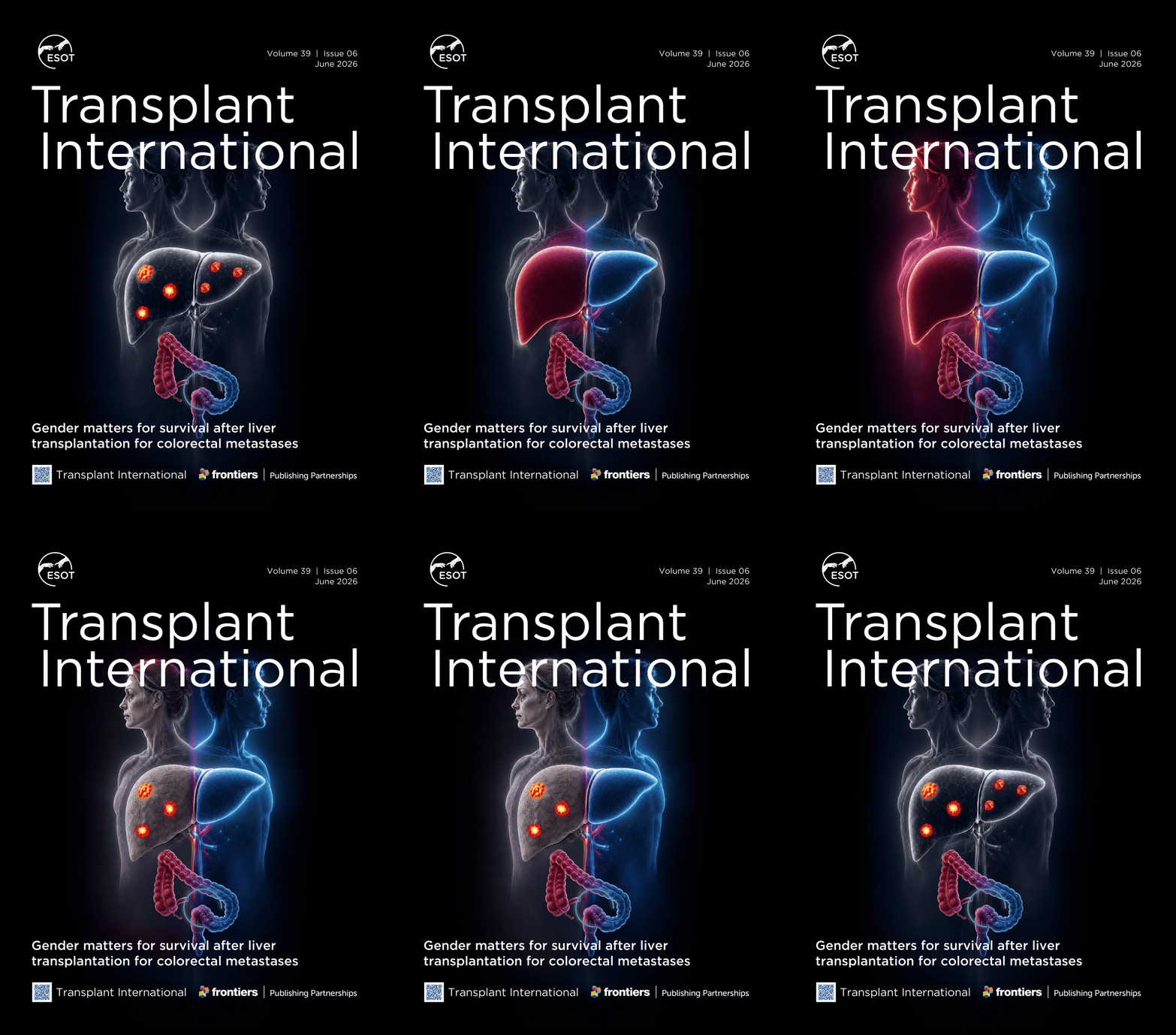
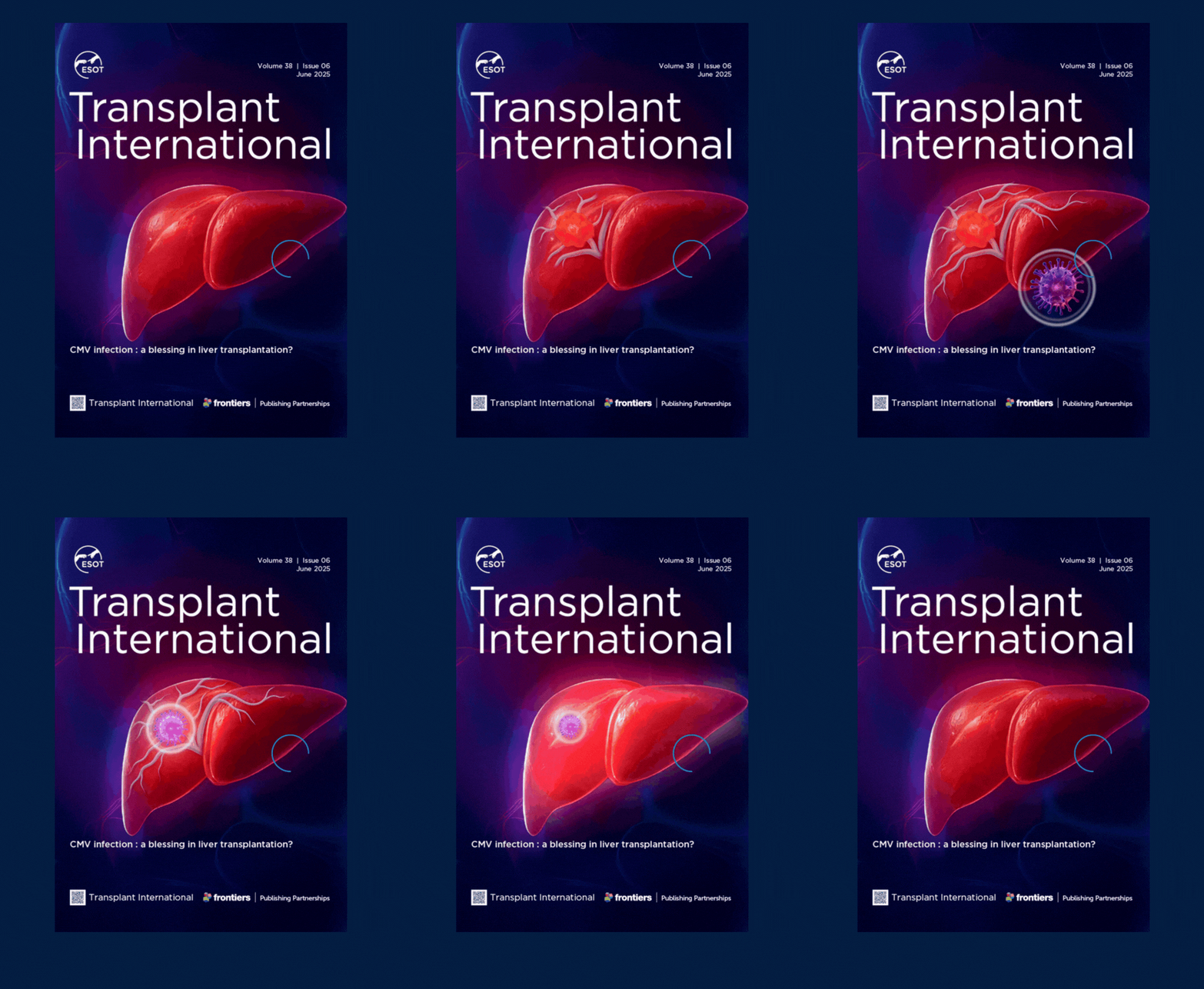
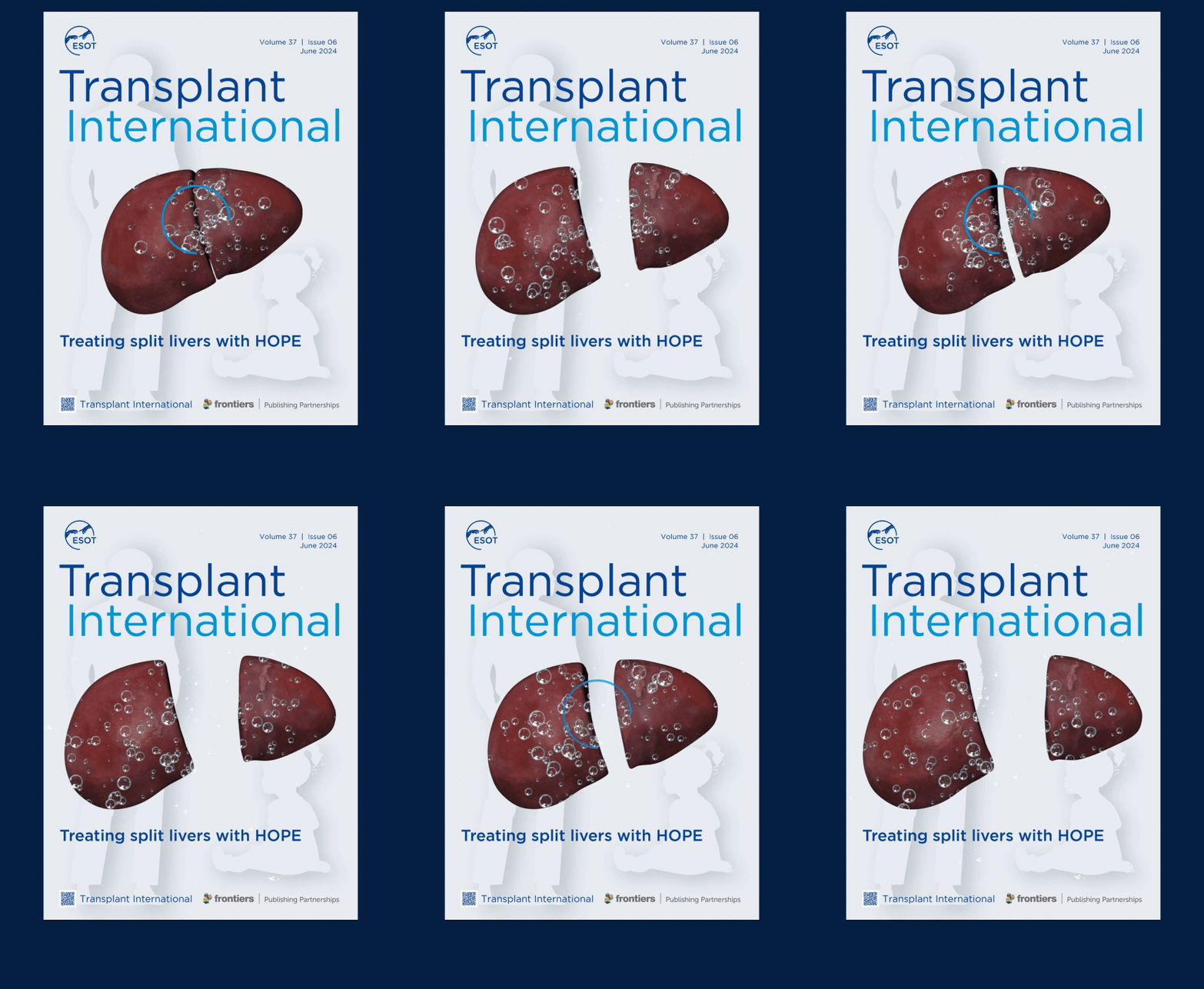
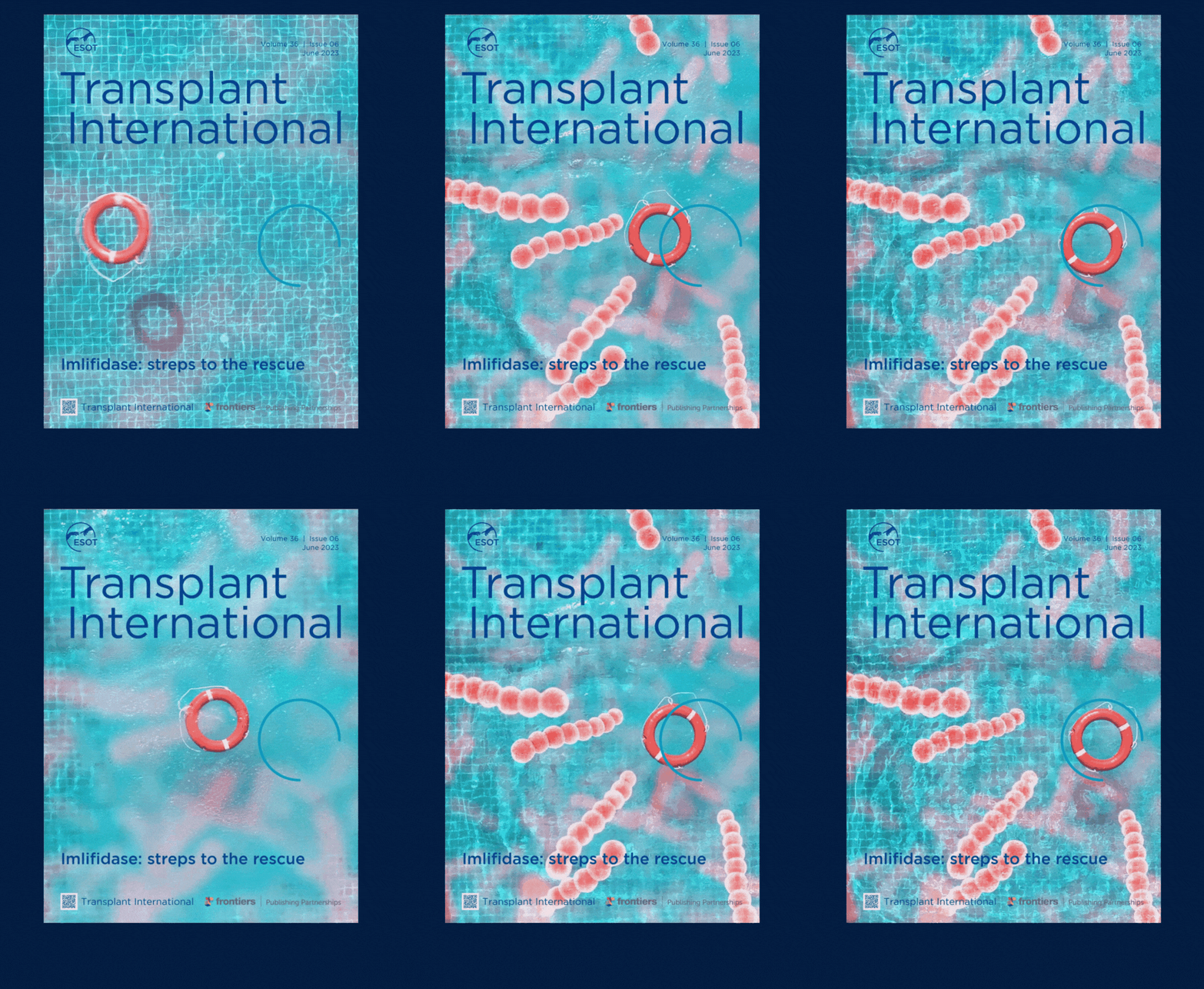
In this June episode of the Transplant International Podcast, Deputy Editor-in-Chief Nina Pilat is joined by Editorial Fellow Antonio Citro to break down three papers from the latest issue, all pushing transplantation toward greater precision. First, they discuss a Norwegian study – also featured on the June cover – examining sex-related differences in the predictive value of PET-based metabolic tumour volume before liver transplantation for colorectal liver metastases. Next, they analyse a study showing that total IgG glycosylation, a marker of antibody “quality” rather than mere presence, tracks with the severity of antibody-mediated rejection in kidney transplant recipients, independent of donor-specific antibody status. Finally, they discuss a commentary on the first-in-human trial of CD8 regulatory T cell therapy in kidney transplant recipients, a novel, complementary approach to CD4 Treg-based strategies for immune tolerance.

Also available on:


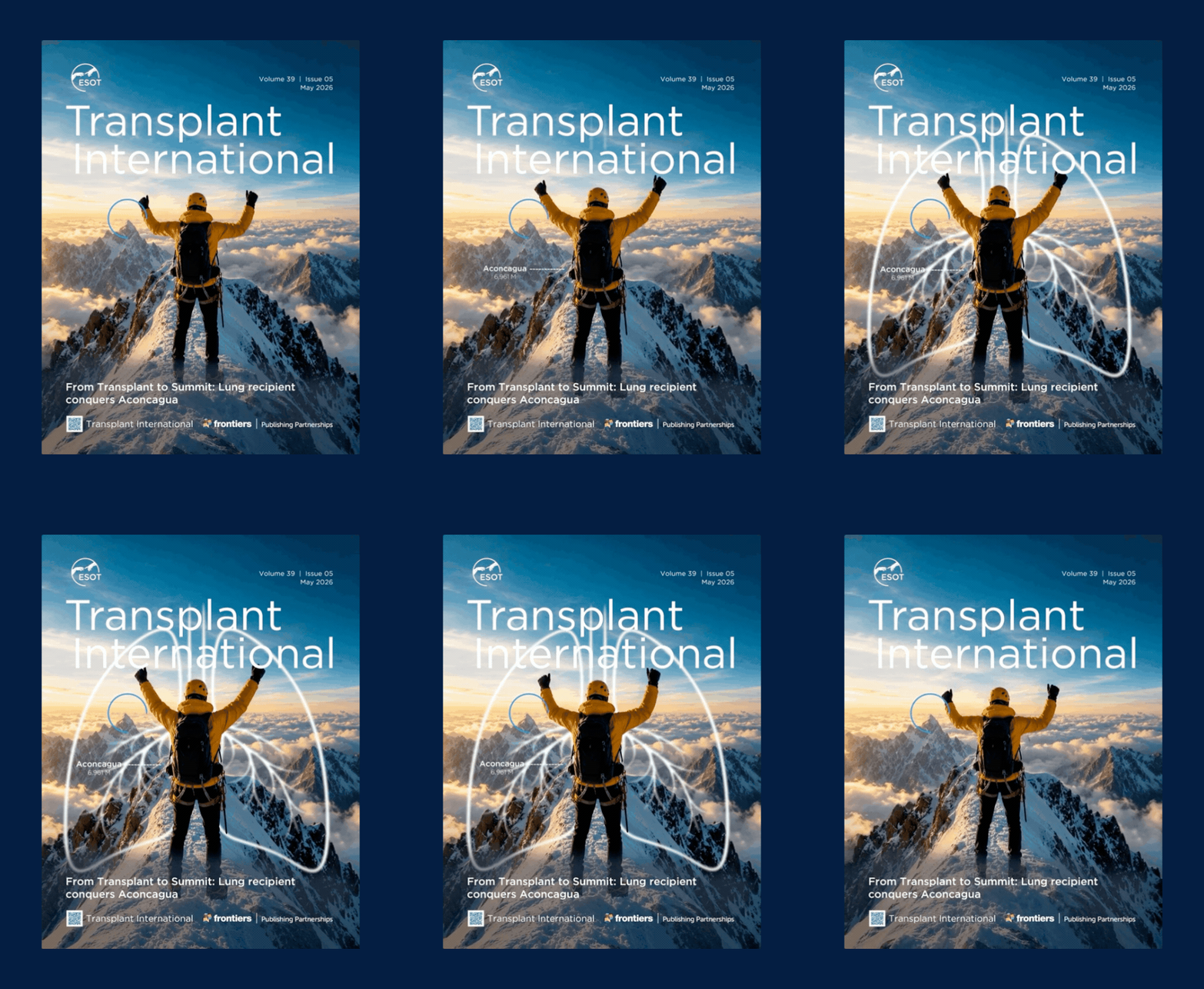
Episode 7: From Transplant to Summit: How a Lung transplant recipient conquered Mount Aconcagua

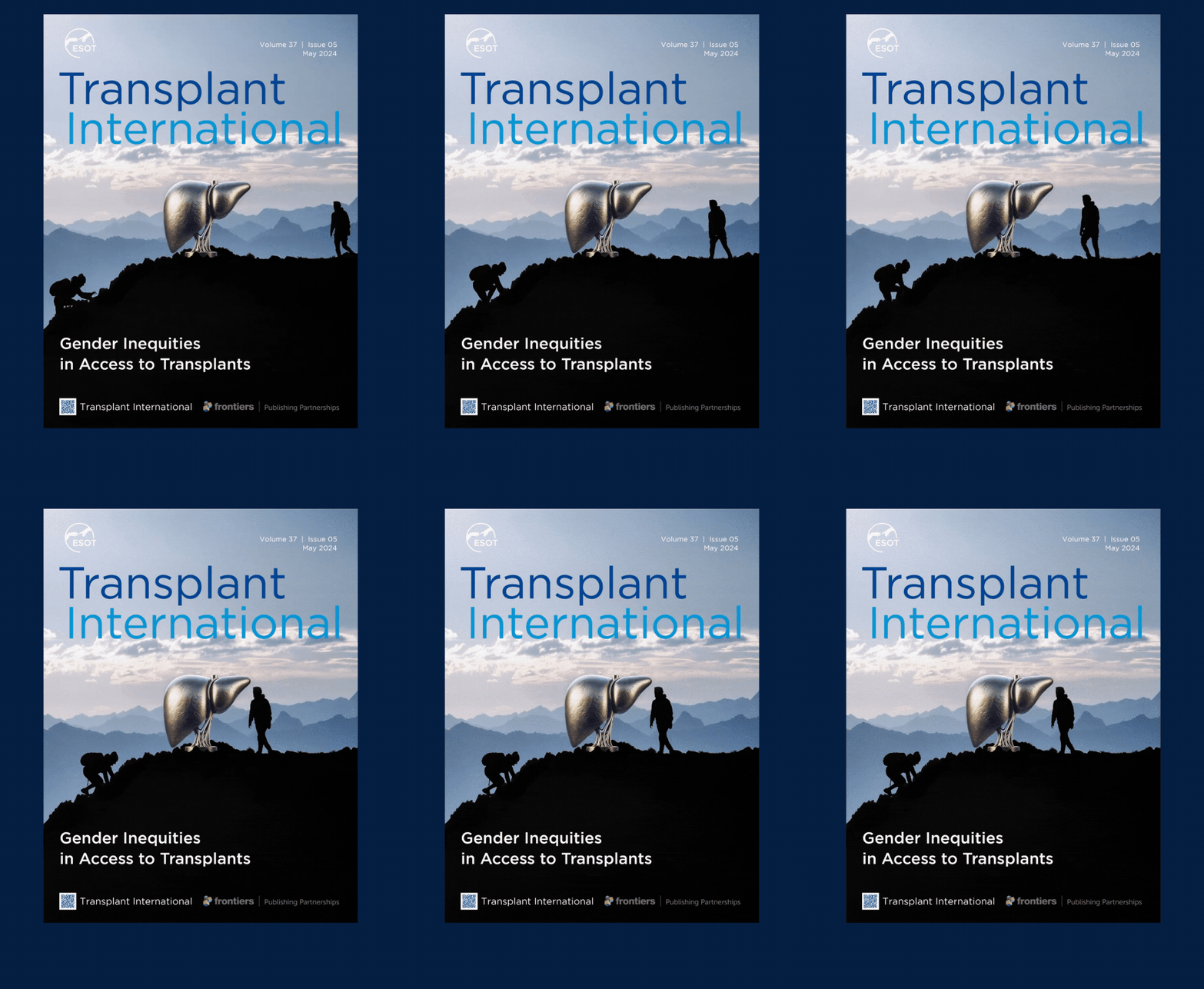
In this special episode of the Transplant International podcast, we explore the extraordinary intersection of transplantation medicine and high-altitude mountaineering. Join Nina Pilat, Deputy Editor-in-Chief of Transplant International, and Editorial Fellow Antonio Citro for an inspiring conversation with Jakob Muehlbacher, a general surgeon and avid mountaineer. Jakob shares firsthand insights from pioneering research conducted in the extreme conditions of America’s highest peak. This episode delves into the extensive safety protocols required for vulnerable patient populations, explores the emotional power of shared clinical adventures, and highlights how pushing boundaries can improve outcomes in standard patient care.

Also available on:


Episode 6: May 2026

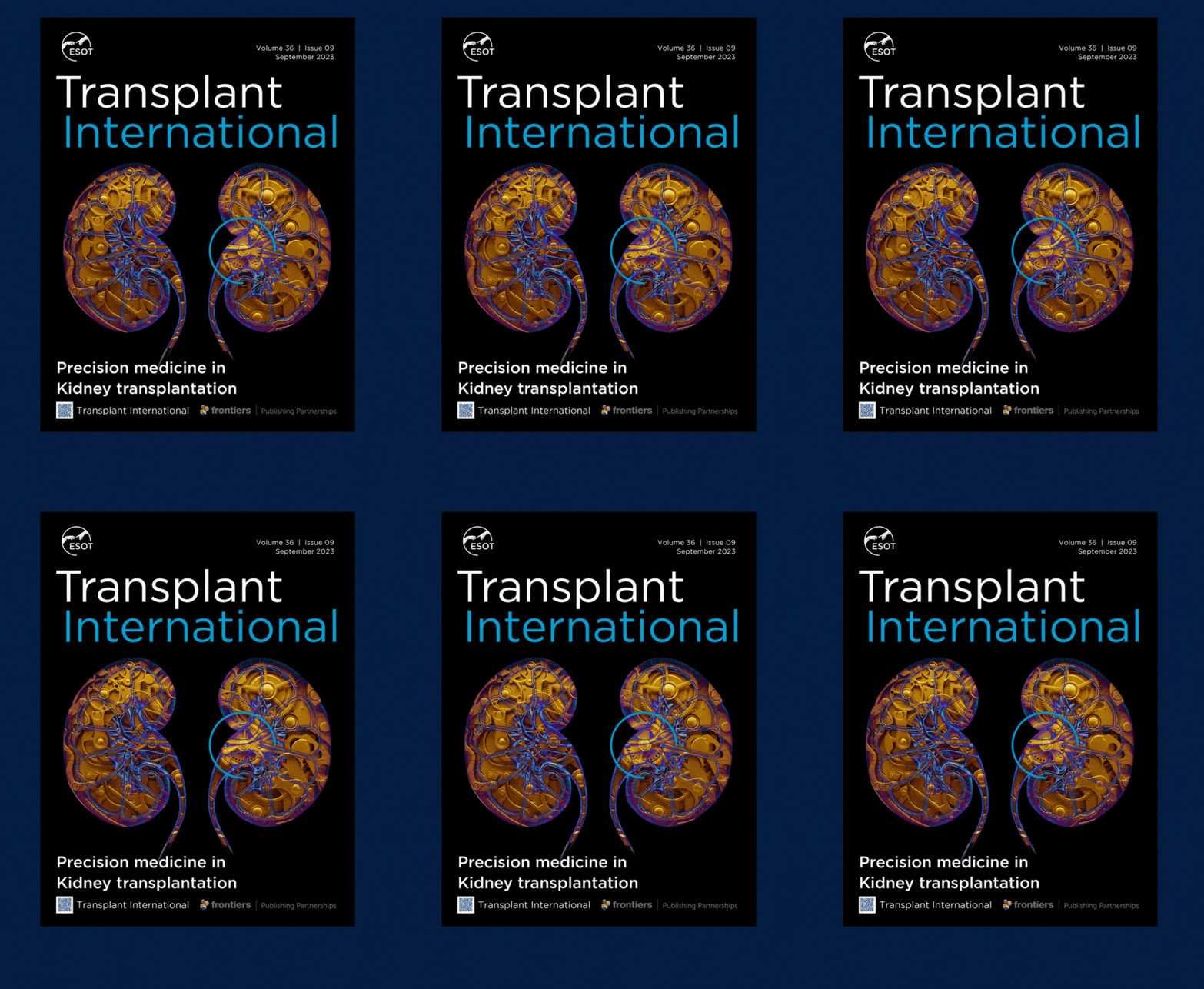
In this May episode of the Transplant International Podcast, Deputy Editor-in-Chief Nina Pilat is joined by Editorial Fellow Delphine Kervella to break down four highly impactful papers from the latest issue. First, they dive into a basic science study challenging lung transplant dogma by looking at blood vessels as the primary orchestration site of graft rejection. Next, they analyse a multicenter French study evaluating whether apheresis can be safely omitted in ABO-incompatible kidney transplant recipients with low baseline titers. They then discuss a valuable proof-of-concept letter from Mexico regarding individualised desensitisation for HLA-incompatible living donor kidney transplants.

Also available on:


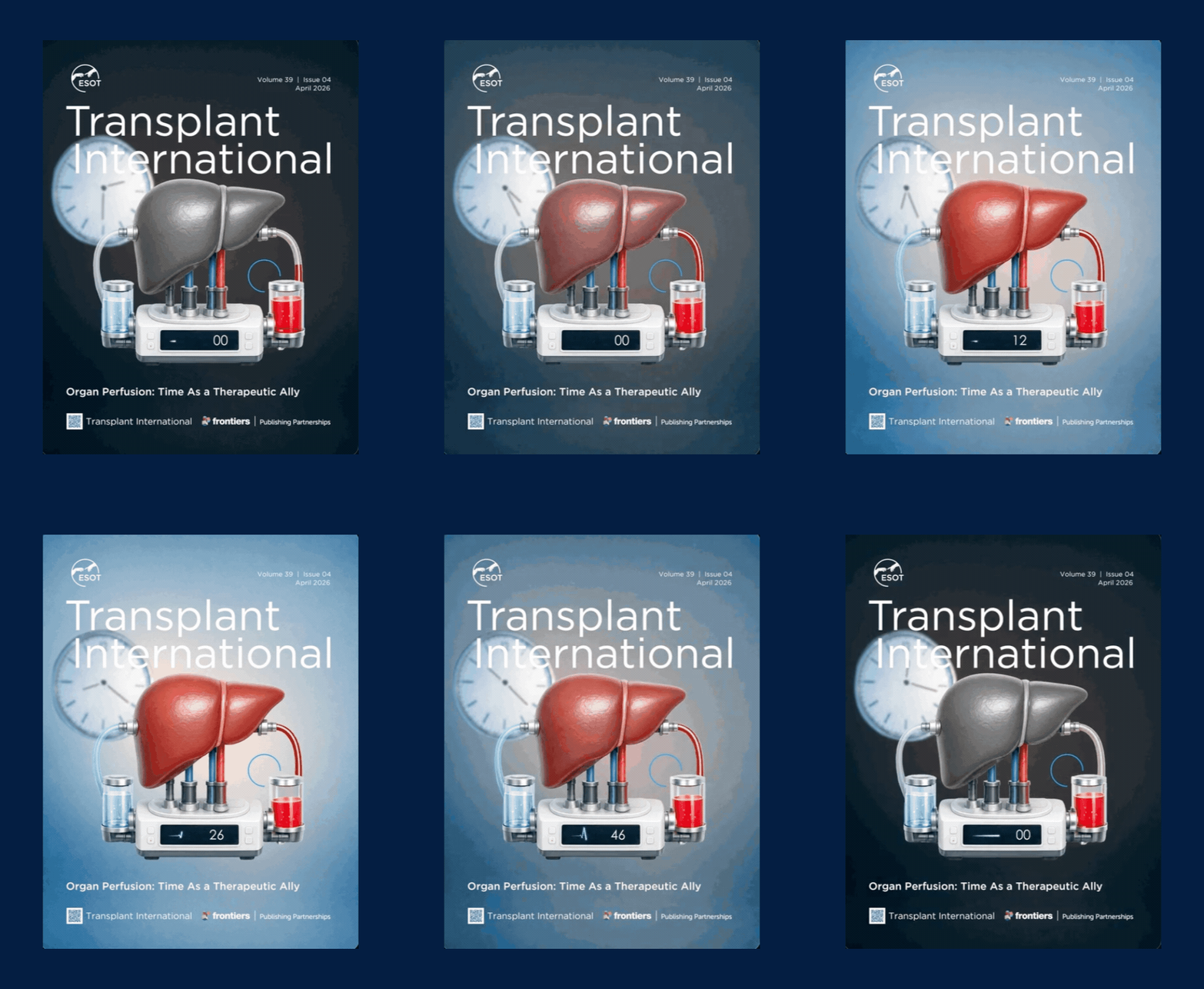
Episode 5: April 2026 Issue: Editors’ picks

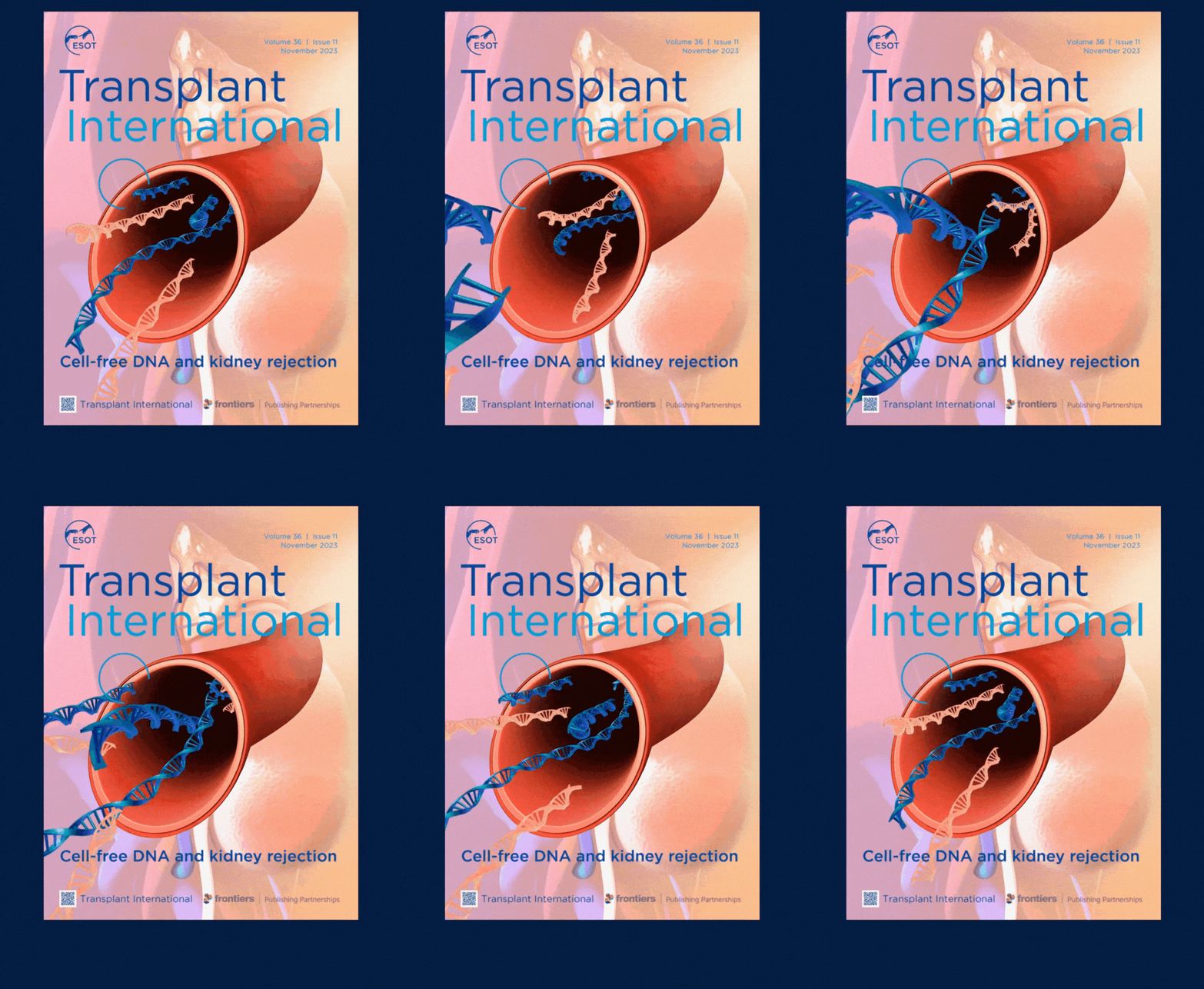
Digital, Biological, and Technological Futures in Transplantation: How can the transplant community establish a trustworthy ethical framework for artificial intelligence? Can extending machine perfusion beyond 24 hours transform organ preservation into an active treatment platform? Furthermore, is cell-free DNA merely a passive marker of graft damage, or does it actively mediate post-transplant inflammation? In this episode, we connect clinical and molecular frontiers with the structural regulations shaping the future of transplantation.

Also available on:


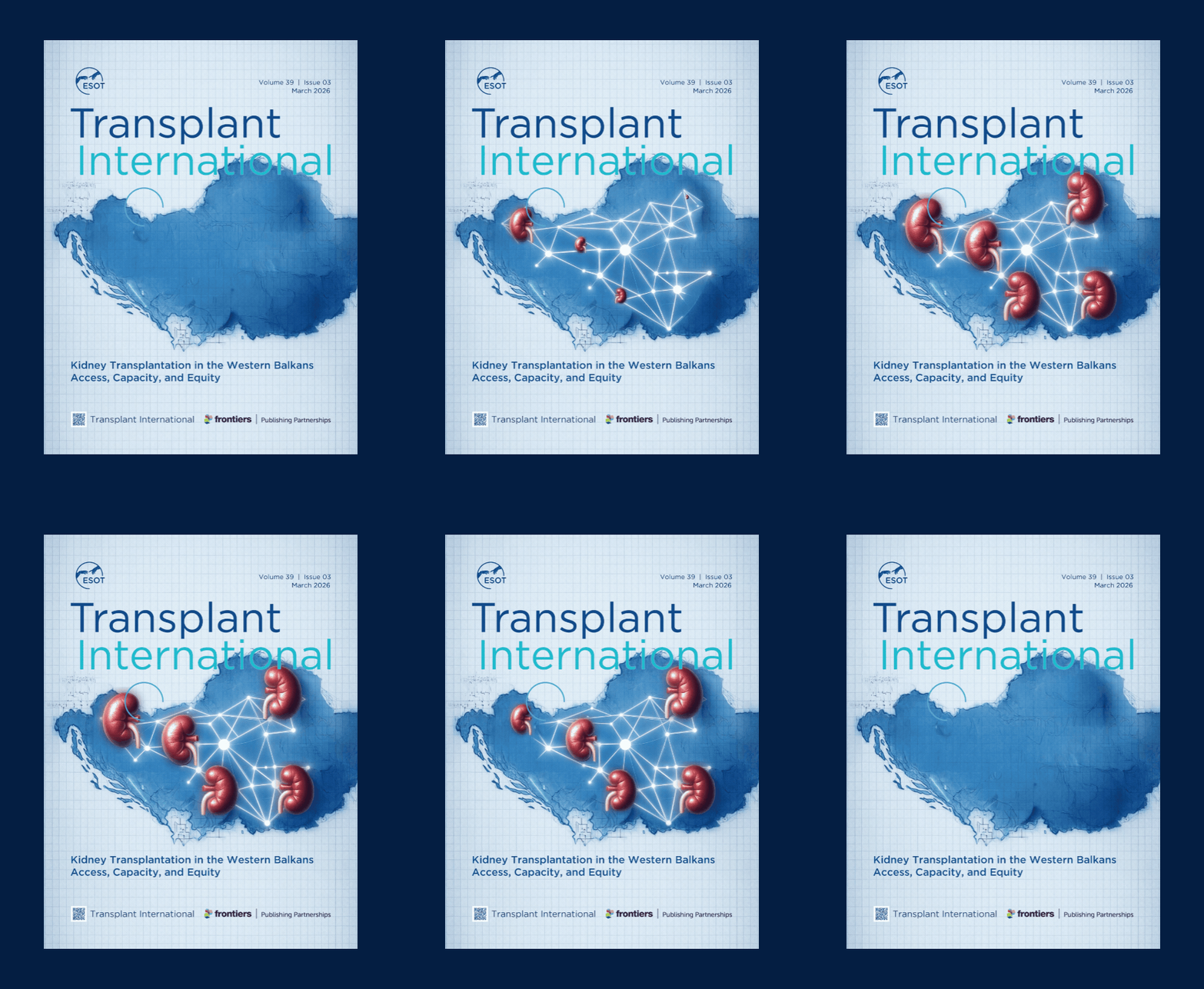
Episode 4: March 2026 Issue: Surgical Optimisation, Biomarkers, and Regional Equity

How does vascular anastomosis time truly impact kidney transplant outcomes, and can longitudinal monitoring of cell-free DNA accurately predict allograft failure? Furthermore, what are the actionable strategies to overcome transplantation inequities in the Western Balkans? In this episode, we connect clinical and molecular advances with the systemic blueprints needed to improve kidney transplantation worldwide.

Also available on:


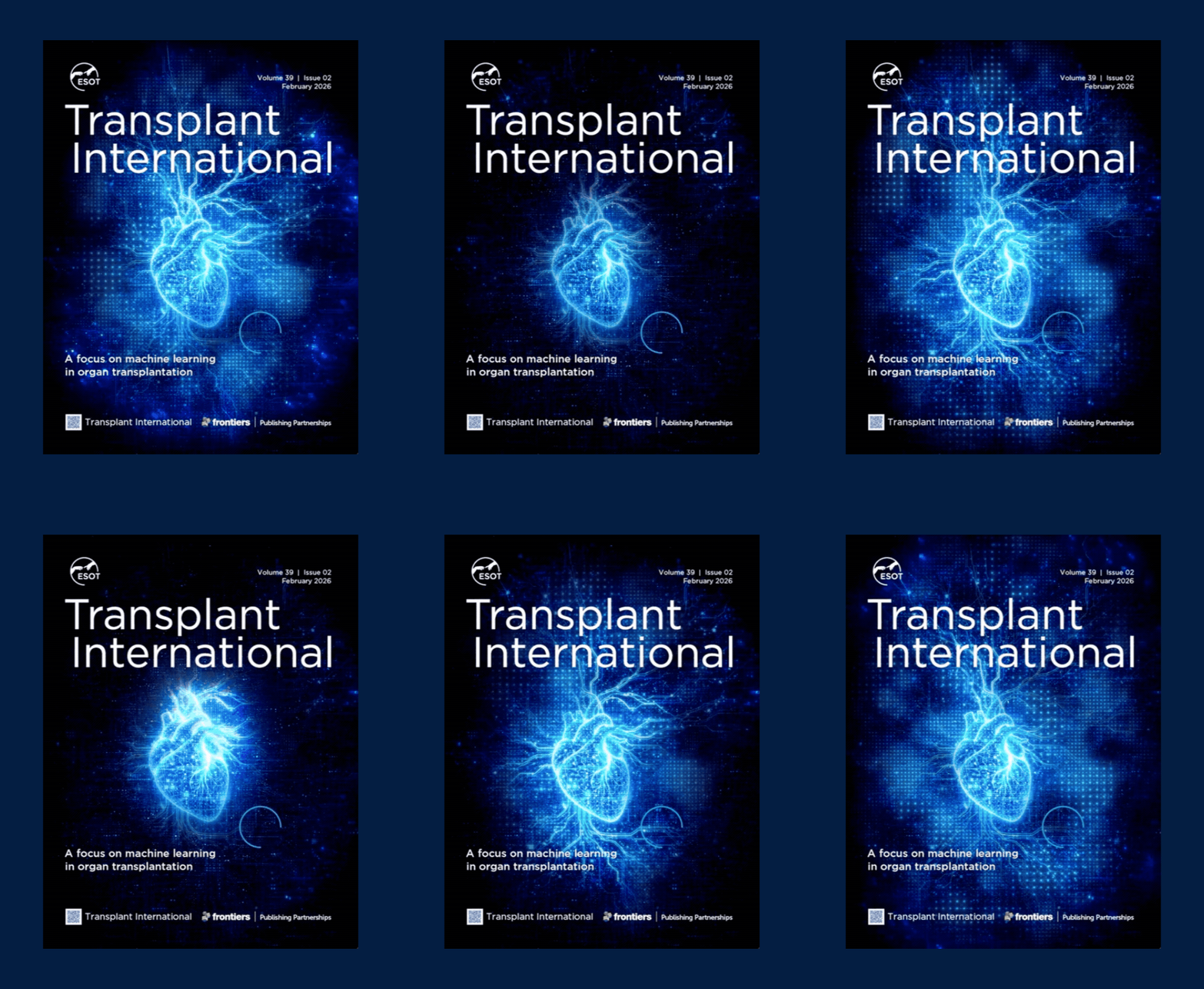
Episode 3: February 2026 Issue: Editors´ picks

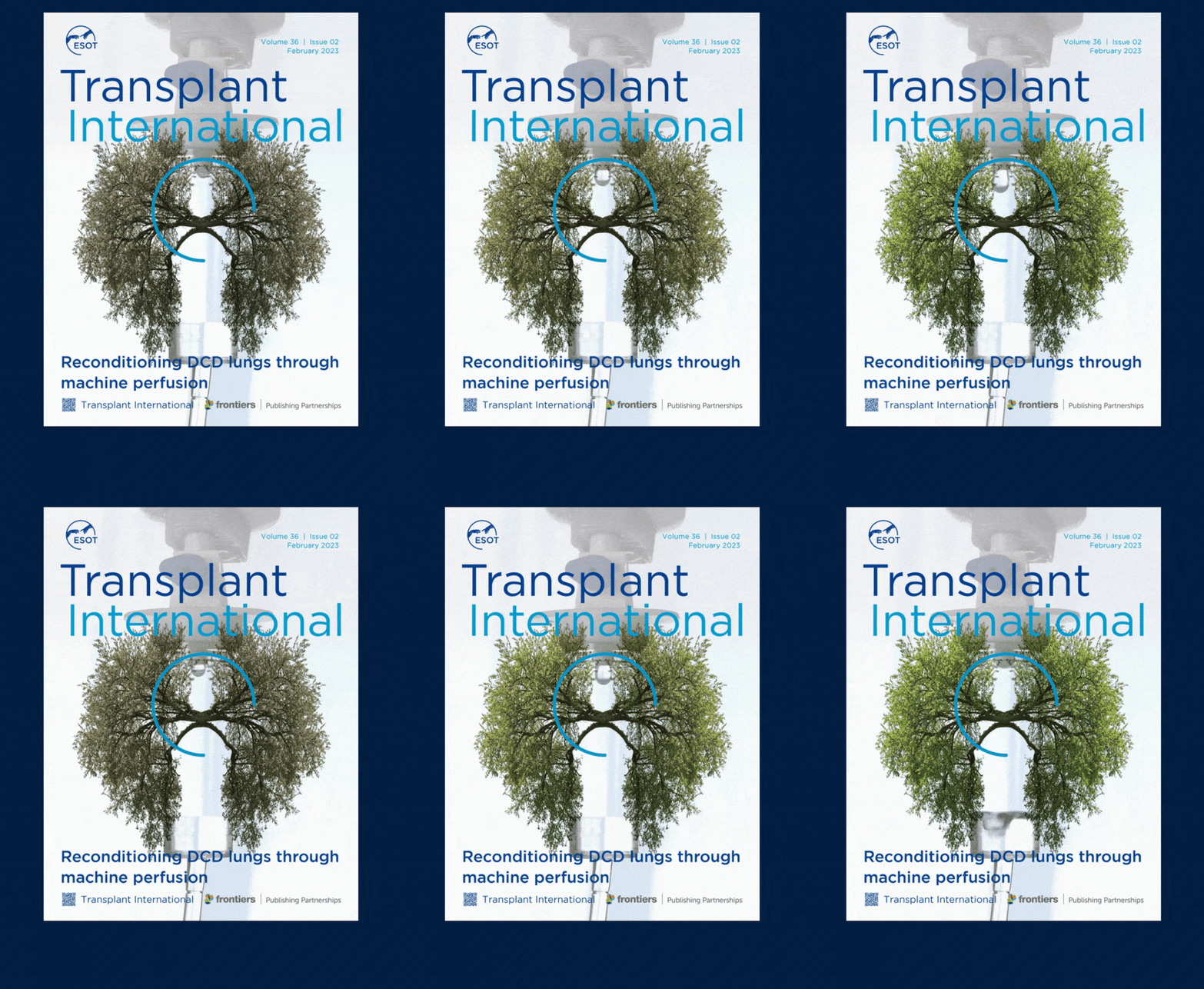
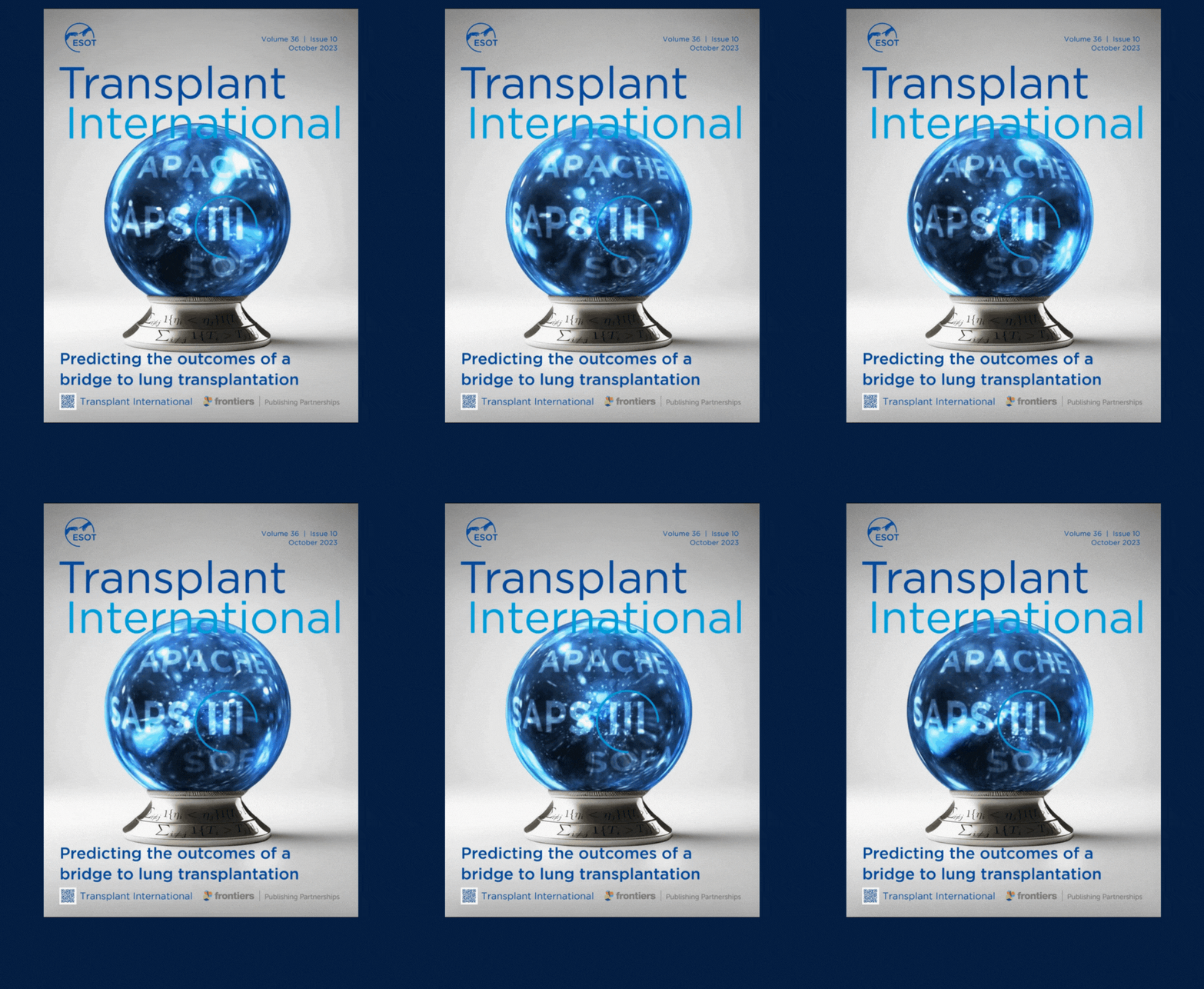
In this February episode of the Transplant International Podcast, Deputy Editor-in-Chief Nina Pilat and Editorial Fellow Antonio Citro explore two major highlights from the current issue. First, they discuss the Editors’ Choice selection of the Top 12 Most Impactful Papers in Clinical Transplantation in 2025, covering breakthroughs from xenotransplantation and immune engineering to organ preservation and oncology. They then turn to a comprehensive narrative review on machine learning in lung transplantation, unpacking how AI-driven approaches are influencing outcome prediction, organ allocation, imaging, and precision medicine. Together, these topics provide a forward-looking perspective on how biological innovation and computational methods are converging to transform the field.
Also available on:


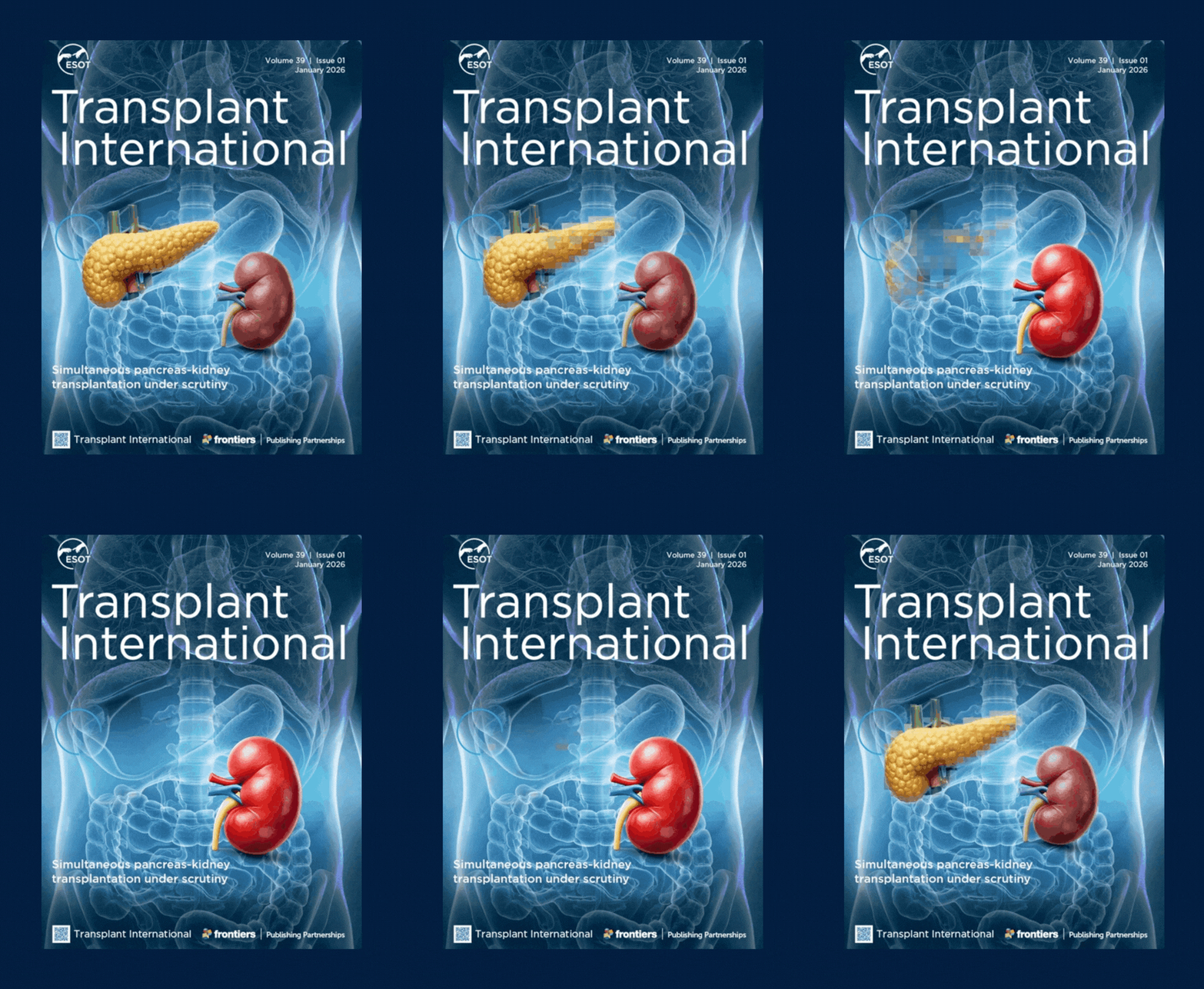
Episode 2: January 2026 Issue: Editors´ picks

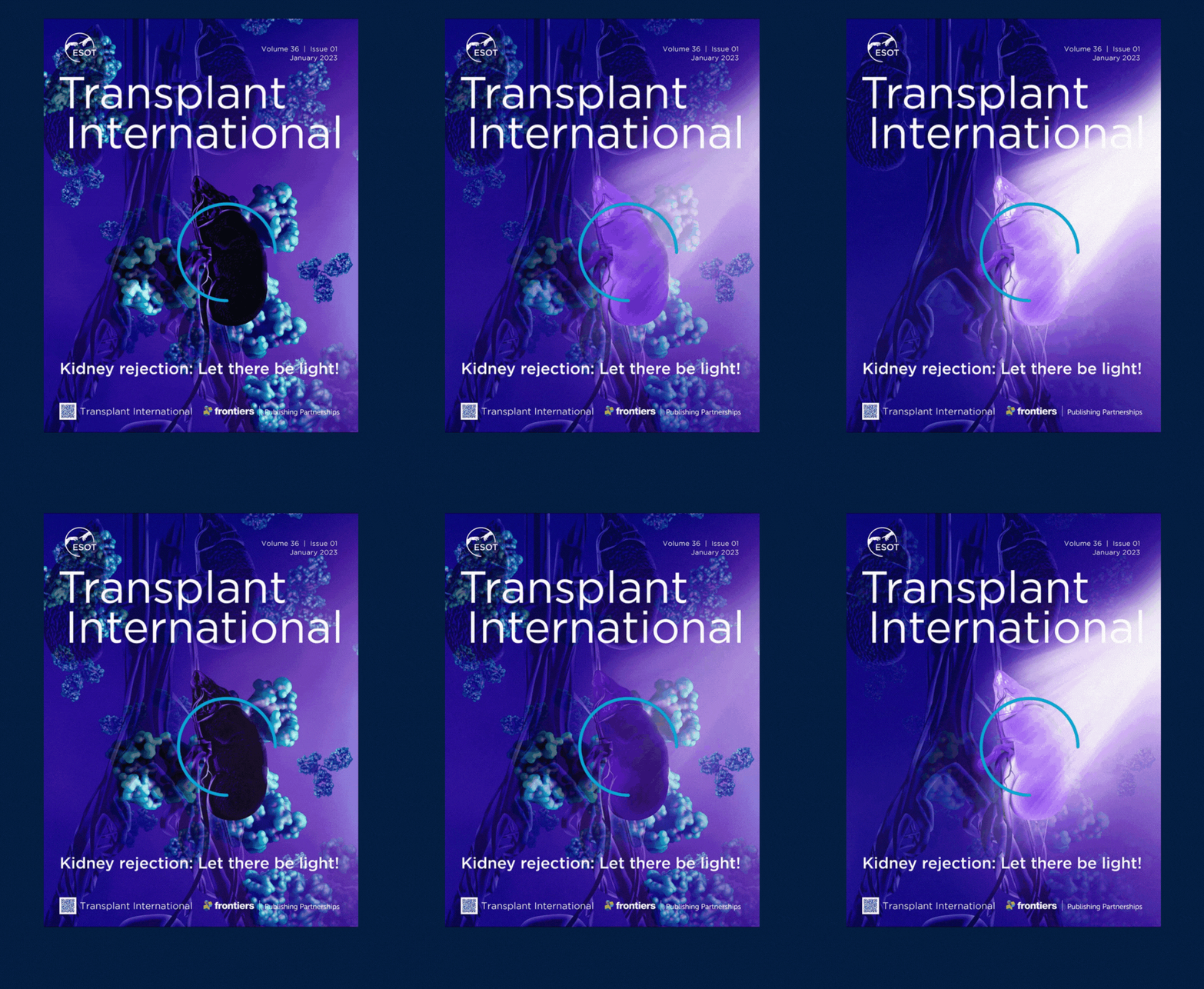
In this January issue episode of the Transplant International Podcast, Deputy Editor-in-Chief Nina Pilat and Editorial Fellow Delphine Kervella analyse two landmark studies examining simultaneous pancreas-kidney (SPK) versus kidney-alone transplantation outcomes. Using data from the TriNetX global EHR network and the US SRTR registry, these studies reveal surprising findings about survival neutrality while confirming SPK’s metabolic superiority. The discussion covers three accompanying commentaries that debate the implications for clinical practice, patient counselling, and organ allocation policies. This episode provides essential insights into how modern diabetes management and improved kidney transplant outcomes have reshaped the SPK versus kidney-alone debate.

Also available on:


Episode 1: Visions for ESOT – A Conversation with President Olivier Thaunat

Join Nina Pilat, Deputy Editor-in-Chief of Transplant International, and Editorial Fellow Antonio Citro as they engage in a compelling conversation with Olivier Thaunat. Serving as ESOT President for 2025-2027, Olivier shares his insights on leadership, the evolving landscape of transplantation, and his commitment to fostering resilience and collaboration within the ESOT community. This episode explores what “sustainable” means for the field, identifies key emerging technologies, and offers valuable advice for young investigators, painting a vivid picture of ESOT’s future.

Also available on:

Article Processing Charges (APCs) - ESOT membership discount

If the corresponding author of a manuscript is a current member of ESOT, they will be eligible for a 40% discount on the publishing fee for all Category A and Category B article types. This applies to all manuscripts which receive final approval for publication from the 1st November 2022.

To apply for this discount, please contact the Editorial Office before or immediately after your manuscript submission:  TI@frontierspartnerships.org

Read about the various benefits of becoming a member on the

Transplant International

Transplant International is the official journal of the European Society for Organ Transplantation (ESOT)Transplant International aims to be the premier journal publishing the key basic science and clinical developments in organ replacement medicine, including all aspects of transplantation, organ reconditioning, cell therapy, regenerative medicine, bioengineering and artificial organs.

Articles, editorials, special issues

Editorial Board

Editor-in-Chief
Thierry Berney, Emeritus Professor, University of Geneva, Switzerland; Professor of Surgery, Bokeria University Hospital, Ilia State University, Georgia; Program director, islet cell transplantation, Hospices Civils de Lyon, France

Deputy Editors-in-Chief

Maria Irene Bellini, Sapienza Universita di Roma, Italy (also Social Media Editor)
Oriol Bestard, Vall d’Hebron University Hospital, Catalan Health Institute, Barcelona, Spain
Nuria Montserrat, Institute for Bioengineering of Catalonia, Spain
Nina Pilat, Medical University of Vienna, Austria
Stefan Schneeberger, Medical University of Innsbruck, Austria

Statistical Editor
Thomas Neyens, KU Leuven, Belgium

Associate Statistical Editor
Maarten Coemans, KU Leuven, Belgium

Read more about Executive Editors and Associate Editors

Journal Information

  • Short name Transpl. Int.
  • Abbreviation ti
  • Electronic ISSN 1432-2277
  • PMCID All published articles receive a PMCID
  • Impact 3 Impact Factor 4.9 CiteScore
  • Indexed in 1Science, Bielefeld Academic Search Engine (BASE), Chemical Abstracts Service (CAS), Chinese Academy of Sciences GoOA, CLOCKSS, CNKI Scholar, CrossRef, Dimensions, DOAJ, EBSCO, Embase, Figshare, Google Scholar, Jisc, MEDLINE, MyScienceWork, OpenAIRE, ProQuest Biological Science Database, ProQuest Central, ProQuest Health & Medical Collection, ProQuest Health Research Premium Collection, ProQuest Medical Database, ProQuest SciTech Premium Collection, PubMed Central (PMC), SCImago (SJR), Scite, Scopus, Semantic Scholar, Sherpa/Romeo, Web of Science Science Citation Index Expanded (SCIE)


DEI Statement

At Transplant International, we believe that diversity is the essence of humankind. We value engagement and inclusion at all stages of science communication and dissemination, from the submission of research manuscripts, through the editorial and review process and on to publication. We welcome submissions from applicants of all ethnicities, nationalities, religions, gender identities, sexual orientations or other individual status, and are committed to eliminating the influence of any bias in our processes. We recognise that this endeavour requires an ongoing commitment; the journal will continually review its practices in this regard and welcomes any feedback from our authors and community.
Open Access Statement

Transplant International provides online free gold open access to the journal and all of its research publications.

Open Access funder and institutional mandates: Transplant International is fully compliant with open access mandates, by publishing its articles under the Creative Commons Attribution licence (CC-BY). Funder mandates such as those by the Wellcome Trust (UK), National Institutes of Health (USA) and the Australian Research Council (Australia) are fully compatible with publishing in Transplant International. Authors retain copyright of their work and can deposit their publication in any repository. The work can be freely shared and adapted provided that appropriate credit is given and any changes specified.


Privacy Overview

This website uses cookies so that we can provide you with the best user experience possible. Cookie information is stored in your browser and performs functions such as recognising you when you return to our website and helping our team to understand which sections of the website you find most interesting and useful.